
Top-Rated Gas Plumbing Equipment for Safe and Durable Installations
Equip yourself with trusted products that meet safety standards and deliver dependable performance in gas plumbing systems.
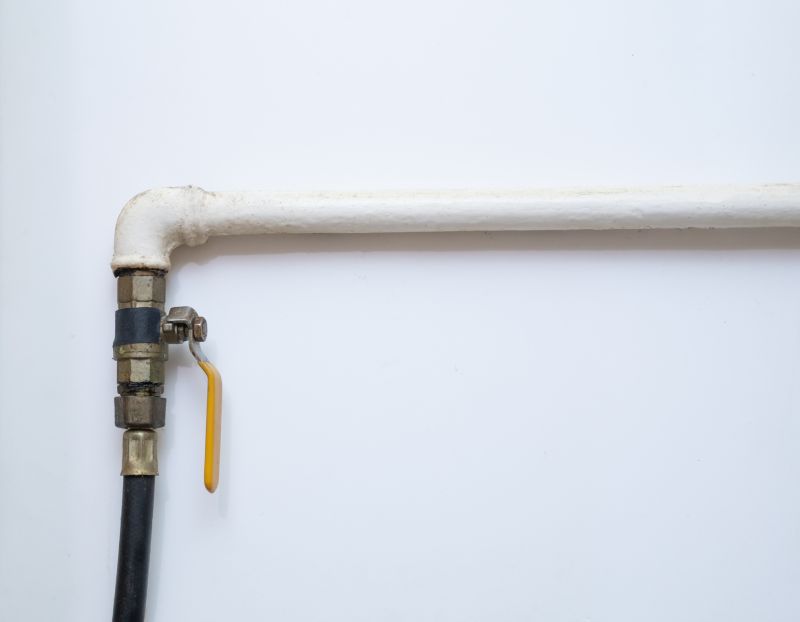 Gas plumbing systems are essential components in residential, commercial, and industrial settings where natural gas or propane is used for heating, cooking, or other applications. Proper selection and installation of gas plumbing products ensure safety, efficiency, and compliance with local codes. These systems typically involve a range of fittings, connectors, valves, and pipes designed to handle pressurized gas safely and reliably. Understanding the different types of products available can help users make informed decisions tailored to their specific needs.
Top Overall Option
Gas Pipe Fittings and Connectors
Gas pipe fittings and connectors are fundamental to creating a secure and adaptable gas plumbing system. They come in various configurations, including elbows, tees, couplings, and adapters, designed to connect pipes and appliances efficiently. Made from durable materials such as brass or stainless steel, these fittings are engineered to withstand high pressure and resist corrosion. Proper selection and installation of fittings ensure a tight seal and help prevent leaks, contributing to overall system safety and reliability.
Types of Products For Gas Plumbings
Gas Pipes and Tubing
Flexible and rigid pipes designed to carry gas safely throughout a building or installation site.
Gas Fittings and Connectors
Components used to join, redirect, or adapt gas lines, including elbows, couplings, and adapters.
Gas Valves
Devices that control the flow of gas, including shut-off valves, ball valves, and control valves.
Pressure Regulators
Equipment that maintains consistent gas pressure within the system, ensuring safe operation.
Gas Hoses and Flexible Connectors
Flexible lines that connect appliances to gas supply lines, accommodating movement and vibration.
Gas Leak Detectors
Devices designed to detect leaks in gas lines and alert users to potential hazards.
Gas Flanges and Seals
Components that provide secure connections between pipes and fittings, ensuring airtight seals.
Gas Venting and Exhaust Components
Parts used to safely vent combustion gases away from indoor spaces.
Gas Pressure Gauges
Instruments that measure the pressure within gas lines for safety and maintenance purposes.
Gas Purge Kits
Tools used to clear air from gas lines before commissioning or servicing.
Popular Choices
Versatile flexible lines used to connect appliances to gas supply, accommodating movement and vibration.
Valves that allow for quick and easy shut-off of gas flow for safety or maintenance.
Durable fittings suitable for various gas line configurations, resistant to corrosion.
Devices that help maintain consistent gas pressure for appliances and systems.
Portable or fixed detectors to identify potential leaks in gas lines.
Easy-to-install fittings that create secure connections without welding or threading.
Flexible hoses designed for easy installation and movement, used in various appliance connections.
Insulation materials to protect gas pipes from temperature fluctuations and damage.
Protective caps designed to cover vent outlets and prevent debris or pests from entering.
Tools used to test for leaks and verify system integrity after installation or repair.
Gas plumbing components must be manufactured from materials that resist corrosion and withstand high pressure. Common materials include brass, stainless steel, and specialized plastics. Each material offers different advantages in terms of durability, ease of installation, and compatibility with various gas types. Proper installation techniques are crucial to prevent leaks, which can pose safety hazards. Regular inspection and maintenance are recommended to ensure the integrity of the system over time.
Whether upgrading an existing system or installing a new one, selecting the right products involves considering compatibility with existing infrastructure, the pressure ratings, and the specific application. For example, flexible connectors can accommodate movement and vibration, while rigid pipes provide a stable and permanent solution. Valves and regulators help control gas flow and pressure, contributing to overall system safety and performance. Understanding these options can help in designing a system that meets safety standards and operational requirements.
Investing in quality gas plumbing products and ensuring proper installation can contribute to the safe and efficient operation of gas-powered appliances. Consulting with professionals and following manufacturer guidelines are recommended to minimize risks and ensure compliance with local regulations. Properly chosen and maintained gas plumbing components can provide peace of mind and reliable service for years to come.
Key Buying Considerations
- Material compatibility with the type of gas used (natural or propane).
- Pressure ratings suitable for the intended application.
- Corrosion resistance for longevity and safety.
- Ease of installation and compatibility with existing plumbing infrastructure.
- Compliance with local codes and standards.
- Availability of replacement parts and accessories.
- Flexibility versus rigidity based on installation space and requirements.
- Presence of safety features such as shut-off valves or leak detection compatibility.
- Size and diameter matching to existing pipes and appliances.
- Durability under temperature fluctuations and mechanical stress.
- Ease of maintenance and inspection access.
- Corrosion and rust resistance for long-term reliability.
- Cost-effectiveness balanced with quality and safety features.
- Brand reputation and customer reviews for quality assurance.
- Availability of professional support or installation services.
This content includes affiliate links, and we may earn a commission at no additional cost to you if you choose to make a purchase.